The Ship Found Perfectly Upright on the Sea Floor
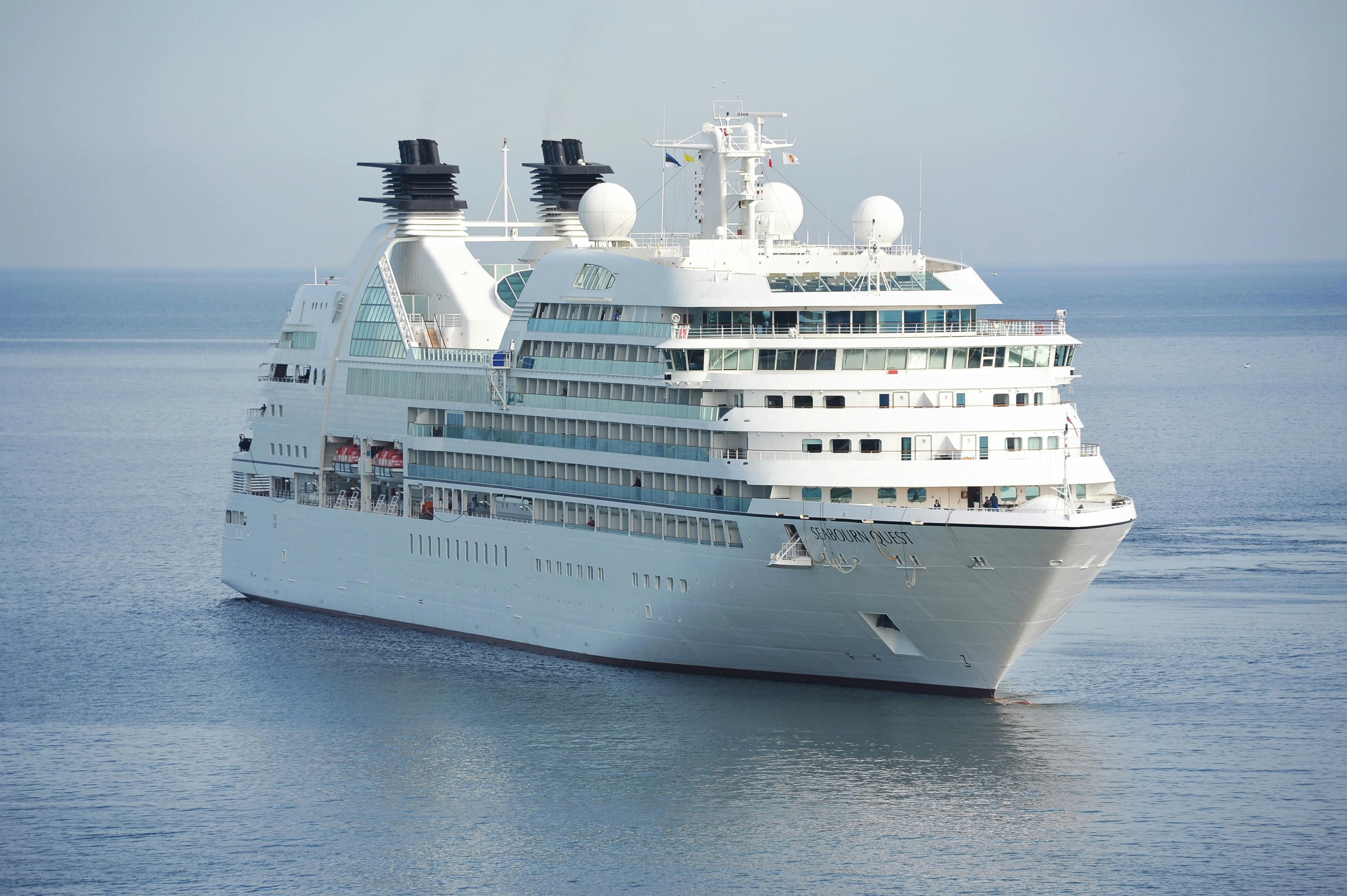
In 2019, deep-sea searchers found a 144-year-old wooden ship standing completely upright on the bottom of Lake Huron. The SS Superior City sat in total darkness under 500 feet of icy water, looking like it had just parked there a few minutes ago. Its wooden mast still pointed up toward the sky, and its tools lay on the deck right where the crew dropped them in 1895.
The ship went down in less than five minutes after a violent collision, taking nine sailors with it. For over a century, nobody knew where the wreck rested in the massive lake. When underwater cameras finally lit up the wooden deck, researchers saw a ship preserved so well by the cold fresh water that it looked like a time capsule from another world.
What Happened on Lake Huron in 1895?
It was a cold September night in 1895 when two massive steel and wood freighters headed right for each other. The SS Superior City was carrying a full load of iron ore, sailing fast down Lake Huron toward the city of Cleveland. The vessel was 425 feet long, making it one of the largest ships on the Great Lakes at the time. Steering toward it was another giant ship named the Willis L. King.
Both captains saw each other in the clear night air. They exchanged steam whistle signals to agree on how to pass safely. But something went terribly wrong with the steering commands. Instead of turning away, the two massive freighters turned right into each other. The bow of the Willis L. King smashed directly into the side of the Superior City like a massive iron wedge.
The blow tore a huge hole into the side of the wooden freighter. Cold lake water rushed into the burning hot engine room, hitting the giant coal boilers. A massive explosion ripped through the stern of the ship, blowing wood and steel high into the night air. Water flooded the lower decks so fast that the crew barely had time to yell out a warning.
Nine men died in the cold water that night, while twelve others managed to pull themselves onto lifeboats or cling to floating debris. The ship sank like a stone, disappearing into the dark waves off Whitefish Point. Witnesses on the other vessel watched the lights vanish beneath the surface in under five minutes. For decades, the exact location of the wreck stayed a total mystery to local historians and divers alike.

How Did the Ship End Up Standing Upright?
Why did the ship land perfectly on its keel instead of rolling on its side? When heavy wooden ships sink fast, they usually tip over, break apart, or roll onto their sides as they crash into the bottom. But the SS Superior City had a very heavy load of iron ore packed deep inside its lower belly. This heavy weight acted like a giant lead sinker, pulling the bottom of the hull straight down through the deep water.
As the freighter plunged through 500 feet of water, the heavy ore kept the bottom heavy and stable. The water pressure pushed against the sides of the ship equally as it fell. Instead of flipping over, it glided down through the dark lake like an elevator. When it hit the soft muddy lake floor, the flat bottom settled right into the silt without tipping an inch to the left or right.
The cold water of Lake Huron played a huge role in keeping the ship intact during the fall. Deep fresh water does not have the harsh salt or sea worms that eat away at wooden ships in the ocean. The temperature near the bottom stays around 39 degrees Fahrenheit all year round. That cold, dark environment acts like a natural freezer, slowing down decay to a complete crawl.
When the mud settled after the crash, the ship remained standing like a silent building underwater. The cabin roofs had blown off during the boiler explosion, but the rest of the massive wooden frame held firm. The heavy wheel, the deck winches, and the anchor chains stayed right where the crew left them on that tragic night in 1895.
How Was the Lost Ship Finally Discovered?
Finding a lost ship in a lake as huge as Lake Huron takes years of research and high-tech equipment. A group of deep-water researchers spent months studying old newspaper reports, weather logs, and captain journals from 1895. They drew a grid across miles of open lake water where they thought the collision happened. Then they brought out advanced side-scan sonar gear to map the bottom of the lake.
Sonar works by bouncing sound waves off the sea floor to create a picture of what lies below. For days, the crew dragged the sonar scanner behind their boat, watching flat, boring lines of mud on their screens. Finding a target in deep water is like trying to find a lost coin in a giant dark backyard using only a tiny pencil light. You can read more about how people record local history through Oral history to learn how old tales help locate lost sites.
On a clear afternoon, a strange shadow popped up on the monitor screens. Instead of a flat mud bottom, the sound waves hit a long, straight object standing straight up out of the lake floor. The shape matched the length and beam of a late 19th-century freighter. The team dropped a remote-controlled camera vehicle, sending bright artificial light down into the pitch-black water for the first time in over a century.
As the camera floated closer, the lights hit solid wooden planks and painted steel. The crew on the search boat held their breath as the camera glided over the main deck. There was no mistaking the shape of the bow, the anchor gear, and the massive iron fittings. They had found the lost freighter, standing upright and proud in 500 feet of water.
What Is It Like to See a Ship Found Perfectly Upright on the Sea Floor?
What does a preserved wooden freighter actually look like down in the deep dark? The remote camera footage revealed details that amazed even veteran shipwreck hunters. Because the water at 500 feet is dead silent and freezing cold, there are no heavy currents to knock things over. You can see how these amazing facts form a classic Human-interest story that captivates readers across the globe.
Tools were still lying on the wooden decks where sailors dropped them as the water rose. Dishes sat intact in the galley area, covered in a thin layer of fine river silt. The ship's bow anchor was still pulled up tight against the hull, ready to drop just as it was when the vessel sailed out of port. The wooden planking on the deck looked fresh, as if the wood had been cut just a few years ago instead of in the late 1800s.
If you love reading about strange items returning home after years away, check out The Stolen Painting That Came Home After Decades to read another incredible tale of long-lost history coming back to light. The way historical objects stay preserved under the right conditions never fails to amaze me.
The sight of a ship sitting upright creates a strange ghostly feeling for anyone watching the video screens. It does not look like a ruin or a pile of scrap wood. It looks like a real working vessel that is simply waiting for its crew to come back on board and turn the wheel. The total lack of light and plant life down at that depth leaves the wooden surfaces clean and remarkably sharp.
Why Do Great Lakes Shipwrecks Stay Preserved So Well?
The Great Lakes hold thousands of wooden and steel shipwrecks, and many of them look like they sank yesterday. Why do these ships look so much better than ocean shipwrecks? The answer comes down to science and water chemistry. Oceans are full of salt and tiny marine animals called shipworms, which eat wooden hulls until nothing is left but rust and dust.
- No saltwater worms: Fresh water lakes do not have wood-eating worms, so wooden planks stay solid for hundreds of years.
- Freezing cold temperature: The bottom of deep lakes stays close to freezing, which stops bacteria from eating organic materials.
- Low light and low oxygen: Without sunlight, plants and algae cannot grow on the deck surfaces or hide details under green weeds.
- Quiet water currents: Deep lake water stays very still, protecting delicate wooden structures from snapping under heavy wave pressure.
Because of these special conditions, the Great Lakes act like the ultimate underwater museum. Shipwreck divers and historians can study construction methods from the 1800s by looking directly at intact hulls. You can discover more incredible tales and hidden mysteries on our main page by reading anchor text about the topic to see what else lies buried beneath the surface of our world.
The SS Superior City is protected by federal laws today, meaning no one can touch the site or remove items from the deck. It serves as a quiet underwater grave for the nine men who lost their lives on that dark September night. Looking at photos of the ship standing tall on the lake bed reminds us how powerful nature is, and how cold deep water can freeze a single moment in time forever.
Have you ever thought about what other lost treasures might be sitting on the bottom of deep lakes around the world? Next time you stand on the shore of a big lake, look out at the water and remember that there is an entire silent world hiding right beneath the blue waves.


Comments
Post a Comment